Meta's AI Reckoning: 8,000 Layoffs Mark a Strategic Pivot
As Meta pours billions into AI infrastructure, a strategic restructuring sees thousands depart while others are reassigned to new, AI-focused roles.
In May 2026, Meta initiated a significant global restructuring that led to approximately 8,000 employee layoffs, representing about 10% of its total workforce. Concurrently, an additional 6,000 open roles were eliminated, bringing the total effective headcount reduction to around 14,000 positions. This marks a substantial reshaping of the tech giant’s operational landscape, following earlier reductions in January and March 2026.
The sweeping changes are deeply intertwined with CEO Mark Zuckerberg's directive to make Artificial Intelligence the company's top priority. Zuckerberg has explicitly connected the layoffs to surging capital spending on AI, signaling a strategic realignment rather than a response to financial distress. This pivot underscores a broader industry trend where companies are aggressively reallocating resources to dominate the burgeoning AI sector.
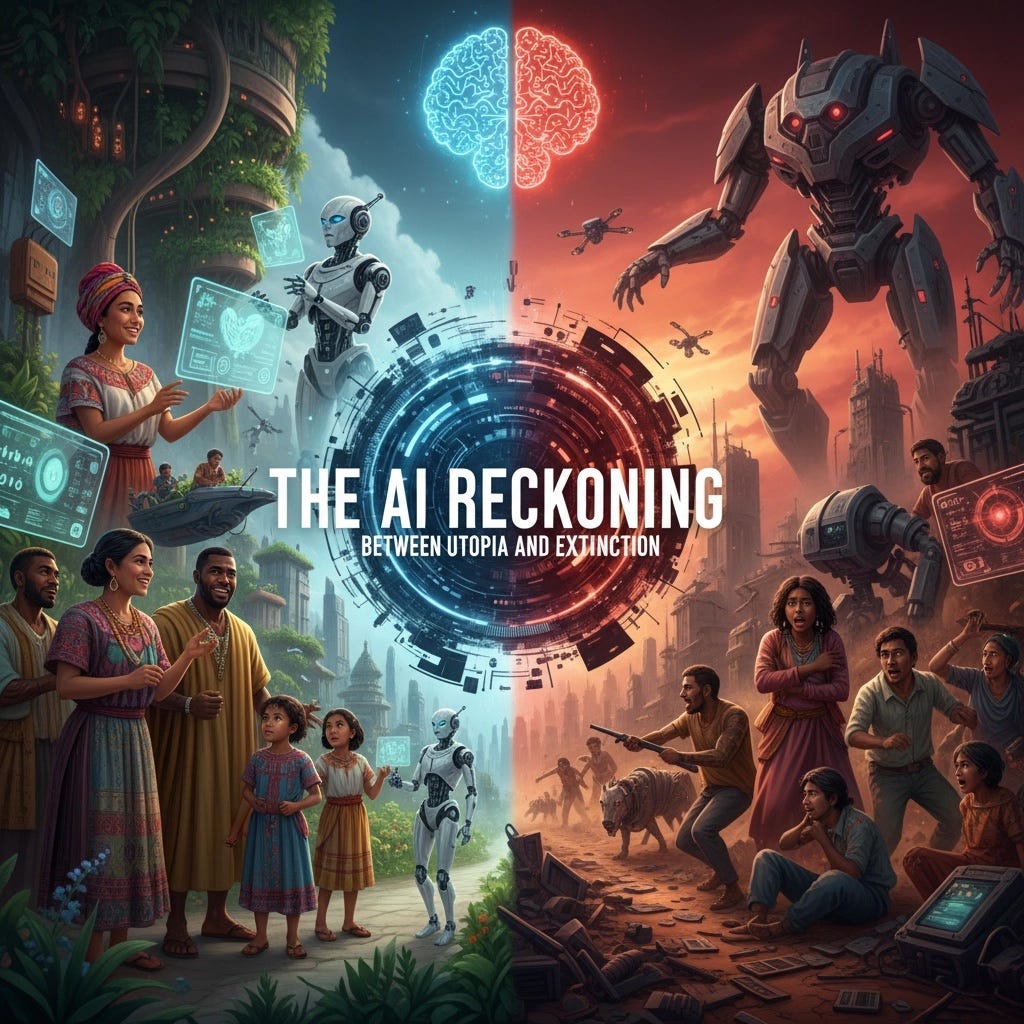
The AI Reckoning: Meta's Strategic Pivot and Workforce Cuts
The latest round of workforce reductions, with layoff notifications beginning on May 20, 2026, across global regions, signifies a profound shift within Meta. While 8,000 employees were laid off, approximately 7,000 others were reassigned to new roles within four newly created AI-focused departments. This suggests a strategic redesign of the workforce, rather than solely a reduction.
Meta Chief People Officer Janelle Gale circulated internal memos detailing the organizational shift, noting that "many org leaders... incorporated AI native design principles into their new org structures." She added, "We're now at the stage where many orgs can operate with a flatter structure with smaller teams of pods and cohorts that can move faster and with more ownership." CTO Andrew Bosworth has also introduced new AI-focused groups under the "AI for Work" initiative, underscoring the company's commitment to embed AI throughout its operations.
Beneath the Surface: The Strategic Rationale and Financial Shift
Despite reporting record first-quarter 2026 revenue of $56.31 billion and net income of $26.8 billion, Meta is undertaking these significant workforce changes. This indicates that the cuts are not a measure of financial distress but a strategic reallocation of resources towards AI. The company expects to spend between $125 billion and $145 billion on capital expenditures in 2026, primarily for AI infrastructure. This figure represents a substantial increase from $72.2 billion in 2025 and $39.2 billion in 2024, with $107 billion in new contractual commitments for cloud and infrastructure deals added in Q1 2026 alone.
Meta Chief Financial Officer Susan Li affirmed the company's focus, stating, "We believe a leaner operating model will allow us to move more quickly while also helping to offset the substantial investments we are making." While analysts at Evercore estimate this layoff round will save Meta around $3 billion, this is a small fraction of its projected AI investment for the year, reinforcing the narrative of a strategic pivot over cost-cutting alone. The layoffs, therefore, are framed as part of a broader "efficiency push" and a structural redesign, not solely direct AI displacement.
The Human Cost: Employee Morale, Compensation, and New Policies
The aggressive push into AI and accompanying workforce changes have reportedly led to a decline in employee morale. This sentiment is exacerbated by shifts in compensation and new internal policies. Median total compensation at Meta fell from $417,400 in 2024 to $388,200 in 2025, with the stock portion of annual raises cut by 5% in February 2026, following a 10% reduction the previous year.

This trend contrasts sharply with the recruitment of top AI researchers, whom Mark Zuckerberg has personally courted with compensation packages reportedly reaching $100 million. Adding to employee concerns, Meta introduced a monitoring tool, the Model Capability Initiative (MCI), which tracks computer activity for AI training. A Meta spokesperson explained the initiative: "If we're building agents to help people complete everyday tasks using computers, our models need real examples of how people actually use them... There are safeguards in place to protect sensitive content, and the data is not used for any other purpose." However, over 1,000 employees reportedly signed a petition against this data collection, reflecting growing unease within the company. Jan-Emmanuel De Neve, Professor of Economics and Behavioral Science at the University of Oxford, commented on the situation, stating, "Automators like Meta risk no longer being an employer of choice as it's being revealed that they will cut out the human when the opportunity presents itself."
Beyond Meta: AI's Shifting Landscape and the Broader Workforce
Meta's actions resonate within a larger industry conversation about AI's impact on employment. While some experts argue that the narrative of AI causing widespread job loss is oversimplified, suggesting AI is more likely to reshape existing jobs and create new ones, the immediate effects are tangible. A Goldman Sachs analysis estimates that AI is already reducing U.S. employment by roughly 16,000 jobs per month. Companies across the tech sector are grappling with how to integrate AI technologies while managing their existing workforces.
The strategic reassignments at Meta—moving 7,000 employees into AI-focused roles—underscore the idea that AI integration often involves a workforce redesign rather than outright elimination. However, the elimination of 6,000 open roles and the direct layoffs signal that certain positions, or the need for them, are diminishing as AI capabilities advance and efficiency becomes paramount. The challenge for the broader tech workforce lies in adapting to these rapidly evolving demands and acquiring new skills that align with an AI-first economy.
The Future of Work: Meta's AI Vision and Workforce Evolution
Looking ahead, Meta's commitment to AI as its paramount strategic focus appears unwavering. The company's significant investment in AI infrastructure, coupled with its aggressive workforce restructuring, sets a clear trajectory for its future. Mark Zuckerberg stated in a May 20 memo that he does not anticipate further company-wide layoffs in 2026, signaling a period of stabilization after this intensive overhaul.

The emphasis on "AI native design principles" and the creation of new AI-focused departments suggest that Meta is not merely adopting AI tools but fundamentally reimagining its organizational structure around them. For employees, this means a continued imperative to adapt, upskill, and potentially transition into roles that directly support AI development and integration. The ongoing evolution at Meta serves as a potent case study for how major tech companies are navigating the promises and perils of the AI revolution, balancing unprecedented investment with the human cost of transformation.
Meta's recent workforce reduction and strategic pivot represent a decisive move to solidify its position in the AI-driven future. By investing massively in AI infrastructure and reorganizing its workforce to be 'leaner' and more 'AI native,' the company is making a clear statement about its priorities. While the financial rationale appears sound, backed by strong revenues, the human impact in terms of job displacement, declining compensation, and shifts in employee morale highlights the profound challenges inherent in such large-scale technological transformations. The unfolding story at Meta will continue to offer critical insights into the broader evolution of work in the age of artificial intelligence.
Sources
- 1.
- 2.
- 3.
- 4.
- 5.
- 6.
- 7.
- 8.
- 9.
- 10.
- 11.
- 12.
- 13.
- 14.
- 15.
- 16.
- 17.
- 18.
- 19.