Alabama Gears Up for Gubernatorial Rematch, US Senate Runoffs
U.S. Senator Tommy Tuberville and former U.S. Senator Doug Jones are set for a gubernatorial rematch, while both parties head to runoffs for an open U.S. Senate seat.
Alabama is poised for a significant election cycle in 2026, featuring a high-profile gubernatorial rematch and fiercely contested primary runoffs for an open U.S. Senate seat. Voters cast their ballots in the primary election on May 19, 2026, setting the stage for a busy political season culminating in the general election on November 3, 2026.
The race for governor will see U.S. Senator Tommy Tuberville, a Republican, face off against former U.S. Senator Doug Jones, a Democrat. This contest marks a reprise of their 2020 U.S. Senate election battle, where Tuberville emerged victorious. Meanwhile, the U.S. Senate Class II seat, vacated by Tuberville's decision to run for governor, has led to runoffs for both Republican and Democratic nominations, scheduled for June 16, 2026.
The political landscape is further shaped by incumbent Republican Governor Kay Ivey's ineligibility to seek a third term due to term limits, ensuring a new leader for the state. Key endorsements and significant policy debates are defining these races, promising a vigorous electoral contest across Alabama.

Gubernatorial Rematch: Tuberville Faces Jones
The 2026 gubernatorial election is confirmed as a rematch between U.S. Senator Tommy Tuberville (R) and former U.S. Senator Doug Jones (D). Tuberville, who has served as a U.S. Senator since 2021 and is a former college football coach, previously defeated Jones in the 2020 U.S. Senate election.
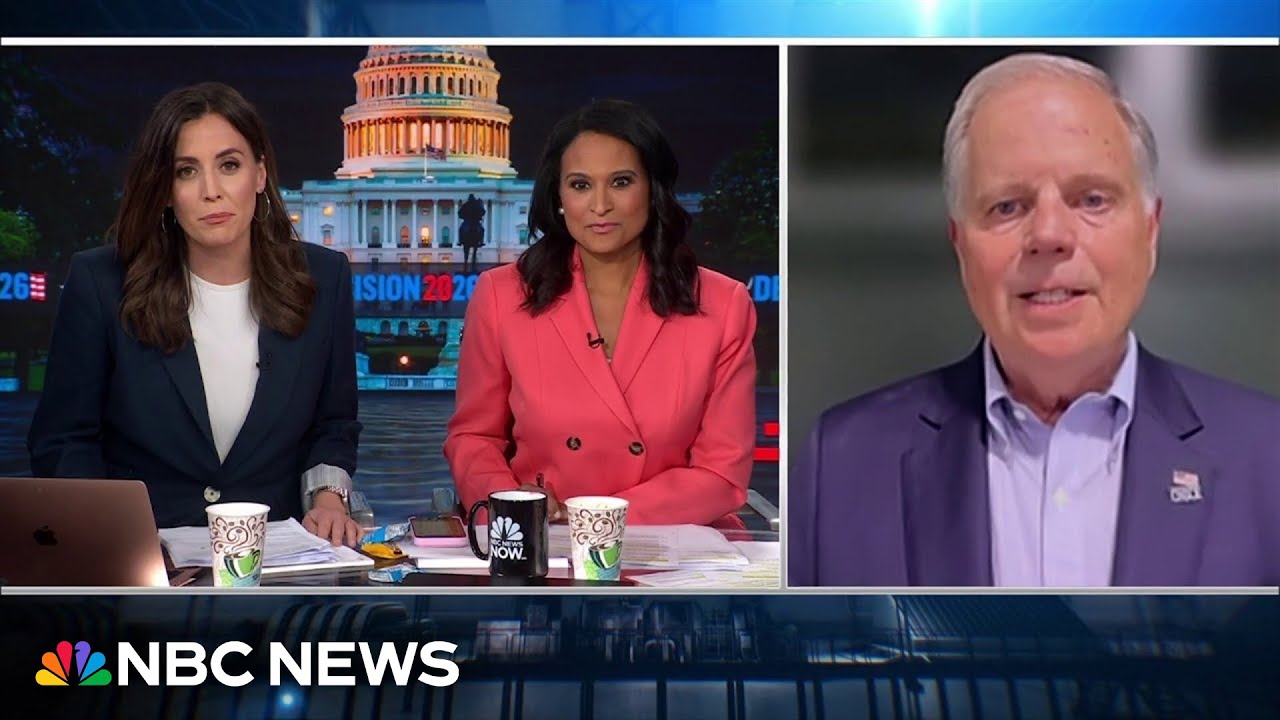
Following the May 19 primary, Tuberville secured the Republican nomination, overcoming challengers Will Santivasci and Ken McFeeters. On the Democratic side, former U.S. Senator Doug Jones, a former U.S. Attorney, easily won his party's nomination against a crowded field. Incumbent Republican Governor Kay Ivey is term-limited and cannot seek re-election.
The Tuberville campaign received a significant boost with an endorsement from President Donald Trump, who stated: "Tommy Tuberville has my Complete and Total Endorsement to be the next Governor of the Great State of Alabama – COACH TUBERVILLE WILL NEVER LET YOU DOWN!"
Tuberville's candidacy faced an early challenge when Republican primary candidate Ken McFeeters formally questioned his residency, alleging Tuberville primarily resides in Florida, which would violate Alabama's seven-year residency requirement for governor. The Alabama Republican Party's steering committee reviewed and rejected the challenge on February 2, 2026, clearing Tuberville for the ballot. Tuberville dismissed the allegation as "a ridiculous PR stunt from a desperate candidate" and commented, "What a joke. I guess they think, you know, I hadn't done my homework."
The Road to the Runoff: Contested US Senate Seat
The U.S. Senate Class II seat is open as incumbent Republican Senator Tommy Tuberville opted to run for governor instead of seeking re-election. This decision has opened the field for both parties, leading to runoffs following the May 19 primary.
On the Republican side, U.S. Representative Barry Moore and Jared Hudson, a former Navy SEAL, advanced to the primary runoff. Other Republican candidates eliminated in the May 19 primary included Alabama Attorney General Steve Marshall, Seth Burton, Dale Deas Jr., and Rodney Walker. Prior to the primary, Hudson, Marshall, and Moore were noted as leading in polling and media attention among the Republican candidates.
President Donald Trump has also weighed in on this race, endorsing Barry Moore for the U.S. Senate, stating: "Barry is going to do a fantastic job. He will fight for you in the Senate."
For the Democrats, attorney Everett Wess and business owner Dakarai Larriett advanced to their party's primary runoff. Mark Wheeler II and Kyle Sweetser were among the Democratic candidates eliminated in the primary.
Divergent Platforms in the Governor's Race
The gubernatorial candidates, Tommy Tuberville and Doug Jones, are campaigning on distinct platforms reflecting their respective party ideologies.
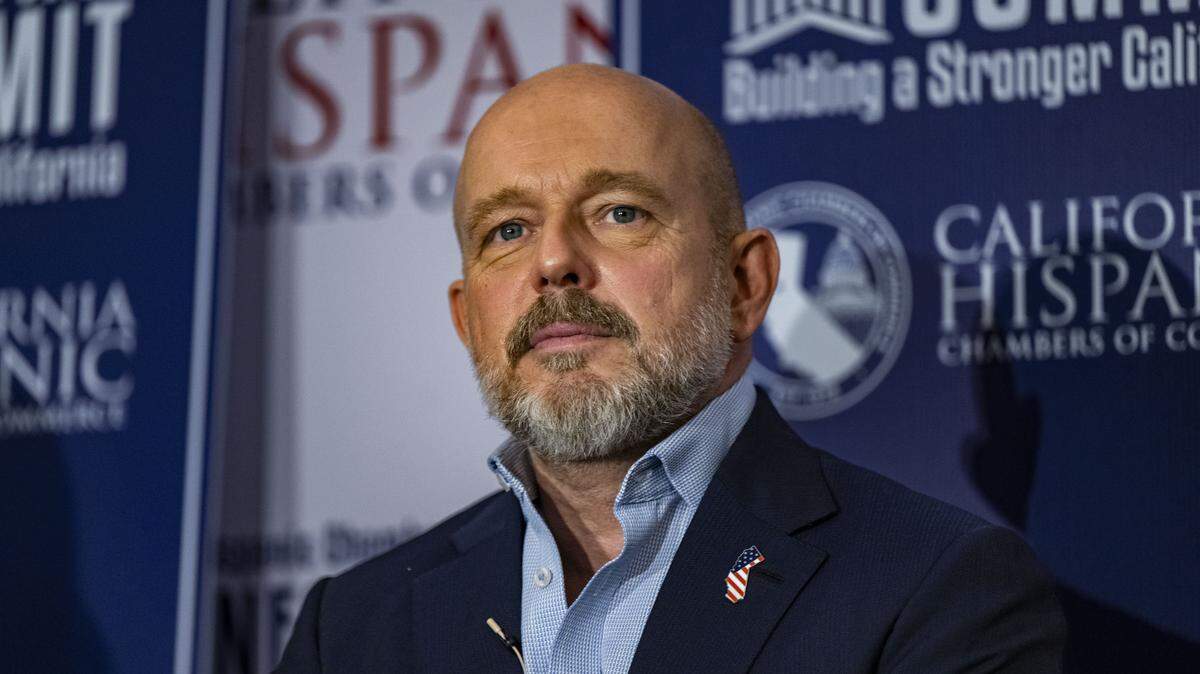
Tommy Tuberville focuses on a conservative agenda, emphasizing:
- Conservative social policies
- Economic growth
- Public safety
- Opposition to diversity, equity, and inclusion (DEI) initiatives
- Opposition to transgender participation in women's sports
- Opposition to the use of public funds for abortion
- Support for tougher immigration enforcement
- Protection of gun rights
- Support for law enforcement
- Lowering taxes
- Growing the manufacturing sector
- School choice
Doug Jones is campaigning on issues aimed at broader societal and economic development, including:
- Economic development
- Education equity
- Access to healthcare
- Protecting voting rights
- Supporting worker representation
- Addressing environmental and climate issues
- Support for a state lottery
- Pledge to remove and replace members of the Alabama Public Library Service with nonpartisan members
Broader Political Currents and the Senate Race Context
While specific policy platforms for the Senate runoff candidates were not detailed in the brief, the political environment surrounding the May 19 primary saw significant discussion around a 2024 Alabama Supreme Court ruling on in vitro fertilization (IVF) clinics. This issue, particularly within the Republican primary for Attorney General held concurrently, impacted the broader conservative landscape.
An outside group ran advertisements critical of former Alabama Supreme Court Justice Jay Mitchell for his opinion that frozen embryos could be considered "unborn children." This ruling led to temporary clinic closures and became a focal point in conservative political discourse, indirectly shaping the context in which Republican voters considered candidates for various offices, including the U.S. Senate.
The Electoral Road Ahead
With the primary elections concluded, Alabama's political focus now shifts to the primary runoff election on June 16, 2026. These runoffs will finalize the Republican and Democratic nominees for the crucial U.S. Senate Class II seat.

Following the runoffs, all attention will turn to the general election on November 3, 2026. Voters will then decide not only the next governor of Alabama but also who will represent them in the U.S. Senate. The gubernatorial rematch between Tommy Tuberville and Doug Jones, coupled with the open Senate seat, ensures that Alabama will be a key state to watch in the upcoming election cycle.
The 2026 election cycle in Alabama is set to be a defining moment for the state's political future. With a highly anticipated gubernatorial rematch between Tommy Tuberville and Doug Jones, and competitive runoffs underway to fill an open U.S. Senate seat, voters are faced with clear choices on a range of significant issues. As the June 16 primary runoffs approach, and then the November 3 general election, the outcomes will undoubtedly shape Alabama's direction for years to come.
Sources
- 1.
- 2.
- 3.
- 4.
- 5.
- 6.
- 7.
- 8.
- 9.
- 10.
- 11.
- 12.
- 13.
- 14.
- 15.
- 16.
- 17.
- 18.
- 19.
- 20.